In this article
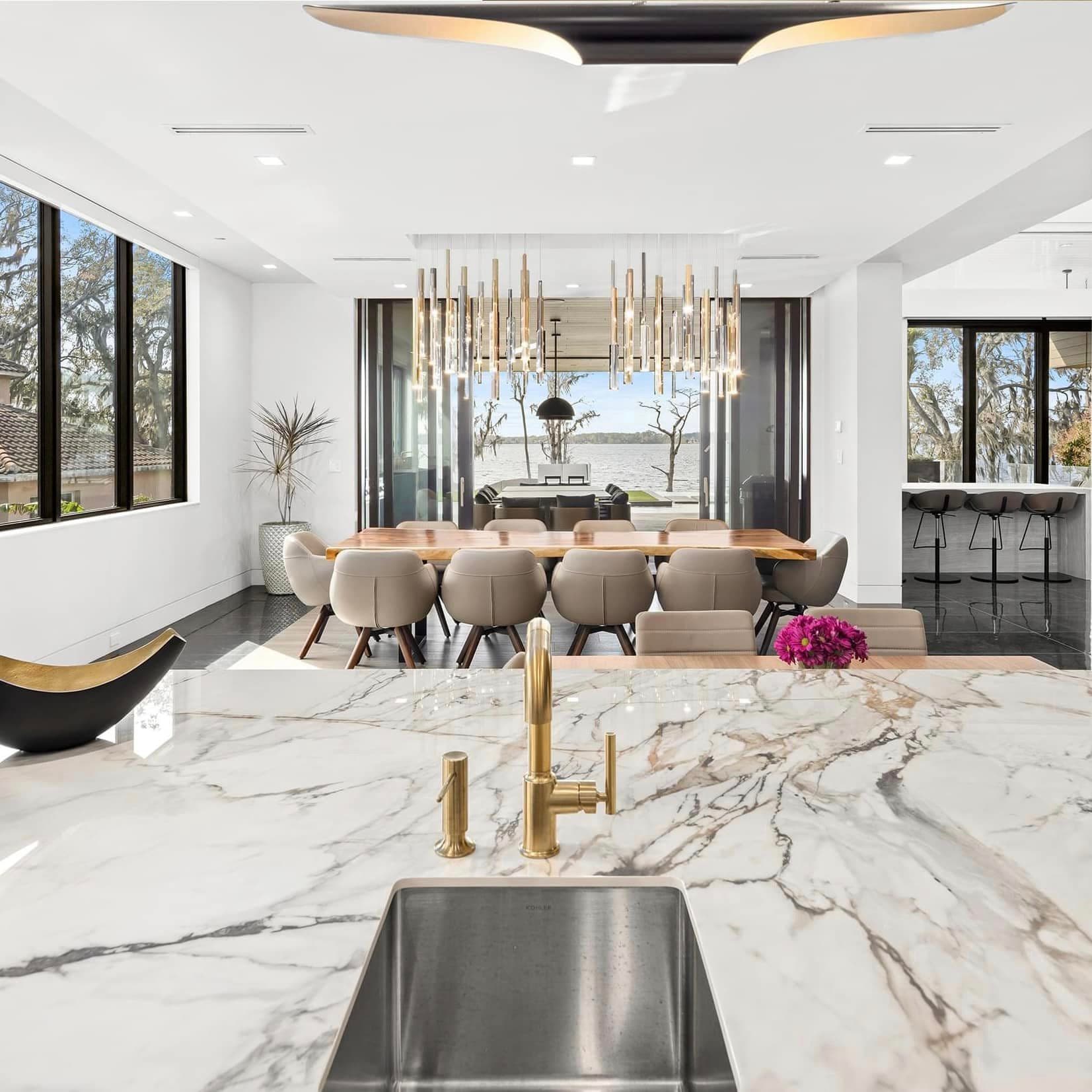
The Benefits of Interior Designers Collaborating with Home Automation Specialists
Interior designers and home automation people don't always talk to each other early enough. When they do, the equipment disappears.
1. Preserving Design Aesthetics
One of the primary benefits of interior designers collaborating with home automation specialists is the ability to preserve the design aesthetics of a space. Speakers, wires, and control panels get placed during the design phase, not bolted on after, so nothing clashes with the finishes. Whether it's concealing speakers, wires, or control panels, the expertise of home automation specialists can ensure that the design remains sleek, uncluttered, and visually appealing.
2. Enhancing Spatial Flow
Another advantage of this collaboration is the ability to enhance spatial flow within a home. By concealing home automation equipment, interior designers can create a smooth transition between different areas and maintain a sense of continuity throughout the space. Whether it's integrating speakers into the ceiling or hiding control panels within cabinetry, the collaboration between designers and automation specialists ensures that technology merges with the architecture, optimizing the functionality and flow of the space.
3. Customization and Personalization
When interior designers and home automation specialists join forces, they can deliver customized and personalized solutions that cater to the unique needs and preferences of homeowners. By working closely with clients, designers can understand their lifestyle requirements and aesthetic preferences. The automation specialists can then create tailored solutions that blend well with the design while providing the desired functionality. From motorized shades and hidden television displays to concealed audio systems, the collaborative efforts of these professionals result in spaces that truly reflect the homeowners' tastes and lifestyles.
4. Simplifying User Experience
Home automation systems are designed to enhance the comfort and convenience of homeowners. However, if the technology is not properly integrated into the design, it can lead to a complicated and overwhelming user experience. By involving interior designers in the process, home automation specialists can ensure that the control interfaces are intuitive, accessible, and discreetly positioned within the space. This collaboration simplifies the user experience, making it easy for homeowners to interact with the technology without disrupting the overall design aesthetic.
5. Future-Proofing the Home
Equipment gets replaced. A system designed to allow that doesn't need a remodel to do it. By collaborating with home automation specialists, interior designers can future-proof homes, ensuring that the integration of technology remains flexible and adaptable over time. Concealed equipment can be easily replaced or upgraded without requiring significant design modifications. This forward-thinking approach helps homeowners stay ahead of the technological curve and ensures that their spaces remain functional and stylish for years to come.