In this article
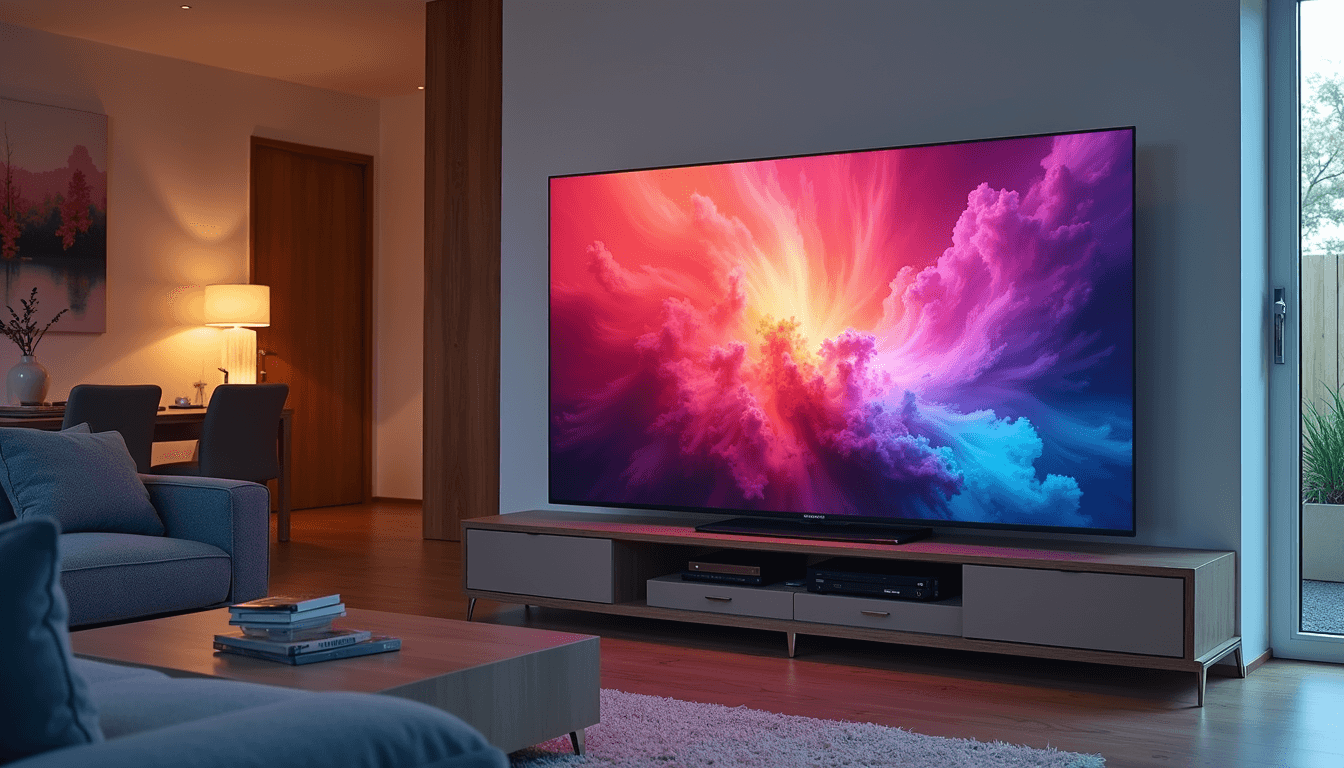
MicroLED is starting to show up in real living rooms, not just trade show floors. This technology promises brighter images, deeper colors, and longer-lasting displays than traditional screens. As MicroLED becomes more accessible, it is reshaping how people experience visual media in living rooms, conference rooms, and more.
What Is MicroLED Technology?
MicroLED is a display technology that uses tiny, self-emissive LEDs to create images. Each pixel consists of microscopic LEDs that emit their own light, unlike LCDs that rely on backlighting. This allows MicroLED screens to deliver:
Higher brightness levels
Better contrast ratios
More accurate colors
Faster response times
Because each LED emits light independently, MicroLED displays can turn off pixels completely to show true blacks. This results in a picture quality that rivals or exceeds OLED screens but without the risk of burn-in or degradation over time.
Why MicroLED Is Ideal for Primary Viewing Spaces
Primary viewing spaces demand the best possible image quality because they are where people spend most of their time watching TV, movies, or presentations. MicroLED offers several advantages that make it well-suited for these environments:
Brightness and Visibility
MicroLED displays can reach brightness levels above 1,000 nits, making them easy to see even in well-lit rooms. This is especially useful in living rooms with large windows or commercial spaces with bright ambient lighting.
Longevity and Durability
Unlike OLEDs, MicroLEDs do not suffer from burn-in, a common issue where static images leave permanent marks on the screen. This makes MicroLED a reliable choice for commercial spaces where logos or menus are displayed for long periods.
Scalability and Size Flexibility
MicroLED panels can be built in various sizes, from small screens to massive video walls. This flexibility allows homeowners to customize their home theaters and businesses to create eye-catching displays tailored to their space.
Energy Efficiency
MicroLED technology consumes less power than traditional LCDs with backlights, which helps reduce electricity costs in both homes and commercial buildings.
Applications of MicroLED in Home Viewing Spaces
Homeowners are increasingly interested in upgrading their entertainment setups with MicroLED technology. Here are some ways MicroLED is transforming home viewing:
Home Theaters with Stunning Picture Quality
MicroLED screens deliver cinema-like visuals with deep blacks and vibrant colors. Families can enjoy movies and sports with a level of detail and brightness that enhances the experience.
Large-Scale Living Room Displays
MicroLED allows for ultra-large screens without the bulky design of older TVs. This means living rooms can feature wall-sized displays that blend well with modern decor.
Outdoor Viewing Areas
Because of their brightness and durability, MicroLED displays are suitable for outdoor patios or poolside entertainment, where sunlight can wash out traditional screens.
Commercial Uses of MicroLED Technology
Businesses are adopting MicroLED for various purposes, taking advantage of its visual impact and reliability.
Conference Rooms and Collaboration Spaces
MicroLED screens provide clear, sharp images for presentations and video calls. Their size and clarity improve communication and engagement during meetings.
Challenges and Future Outlook
While MicroLED technology offers many benefits, it also faces some challenges:
High production costs currently limit widespread adoption.
Complex manufacturing processes require precise assembly of millions of tiny LEDs.
Limited availability of consumer products compared to OLED and LCD.
Despite these hurdles, ongoing research and investment are driving prices down and improving production techniques. Experts predict MicroLED will become more common in homes and businesses over the next five years.
How to Choose MicroLED for Your Space
If you are considering MicroLED for your home or commercial space, keep these factors in mind:
Screen size and resolution: Determine the ideal size based on room dimensions and viewing distance.
Brightness needs: Consider ambient lighting conditions to select a display with sufficient brightness.
Content type: For static images or signage, durability matters. For movies and gaming, color accuracy and contrast are key.
Budget: MicroLED is an investment, so weigh the benefits against cost and available alternatives.
Talk to us before you spec a wall this size. We'll tell you what actually fits the room.